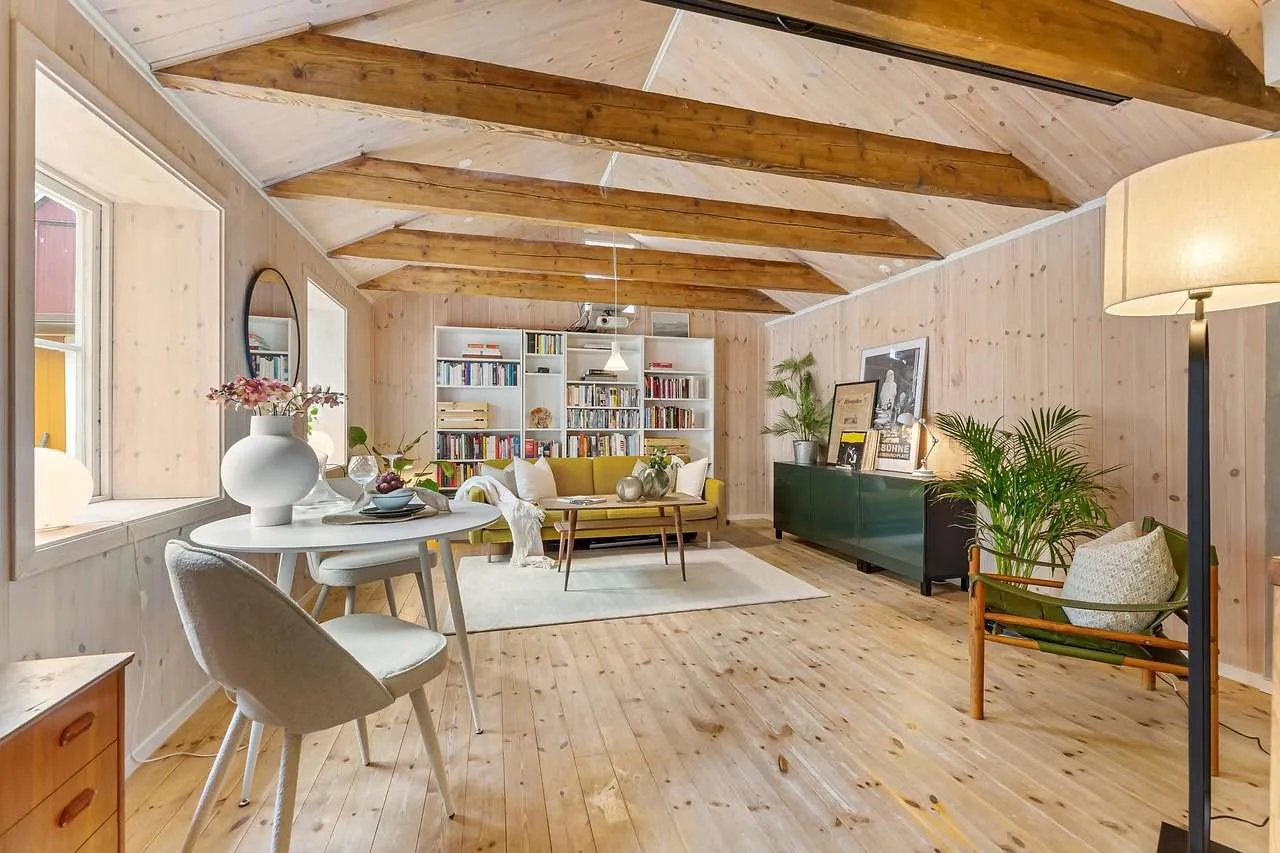
Overview of Home Window Tinting
Home window tinting is the practice of applying a thin film to glass to control heat, glare, and light transmission. The film can be clear for energy efficiency or tinted for privacy and aesthetics. Modern films block ultraviolet radiation while letting visible light through, helping protect interiors and furniture from sun damage. A informed decision supported by professional installers ensures you get reliable performance and a fair warranty, aligning with EEAT by combining expertise, dependable sources, and clear guidance.
Benefits of Home Window Tinting
Residents gain tangible advantages across comfort, energy use, and safety. Heat reduction lowers cooling loads in hot months, while glare control makes screens and rooms easier to use without constant shade. UV rejection preserves upholstery, carpets, and artwork from fading. Privacy is improved without sacrificing natural light in most films. Some films also add a layer of shatter resistance, providing an extra safety margin in case of accidental breakage.
Energy efficiency and comfort
Reducing solar heat gain can cut air conditioning usage and stabilize indoor temperatures. In warm climates, energy savings are typically most noticeable on west and south facing windows. In colder seasons some films help retain interior heat, improving overall comfort year round.
UV protection and privacy
Most home films block 99 percent or more of ultraviolet light, helping protect furnishings from fading and skin exposure for occupants. Privacy levels vary by film, with some options offering daytime privacy while remaining transparent at night with interior lighting.
Understanding tint technologies
Common tint types
Home tint options range from budget friendly to premium. The main families are dyed, metalized, ceramic, carbon and safety films. Each type has different glare control, heat rejection, durability, and compatibility with electronics.
- Dyed film offers color and tone at a low cost but can fade over time and provide modest infrared rejection.
- Metalized film delivers strong heat reflection and glare control but may interfere with remote signals and electronics if applied on a large scale.
- Ceramic film provides excellent heat rejection and clarity without conducting electricity, making it compatible with modern devices.
- Carbon film reduces glare with a dark aesthetic and provides solid heat rejection while maintaining color stability.
- Safety and security films add a protective layer that holds glass together if shattered, enhancing safety in weather events or accidents.
| Tint Type | VLT Range | UV Rejection | IR Rejection | Best Use | Pros | Cons |
|---|---|---|---|---|---|---|
| Dyed Film | 5 to 50 | High | Low to Moderate | Budget projects | Low cost and color options | Possible fading |
| Metalized Film | 15 to 60 | Very High | High | Heavy glare control | Strong heat rejection | Potential electronics interference |
| Ceramic Film | 20 to 70 | Very High | Very High | High performance and clarity | Non conductive and durable | Higher cost |
| Carbon Film | 20 to 60 | Very High | High | Natural appearance with good heat rejection | Stable color | Moderate price |
| Safety Film | Varies | Very High | Moderate | Glass protection | Shatter resistance | Limited glare control |
Choosing the right tint for your home
Start with goals privacy, light level, and energy savings. Consider climate orientation and room function. For example living rooms may benefit from higher heat rejection while bedrooms may prioritize privacy and glare control. Always verify local laws on front window tinting and ensure the film is installed with a warranty.
Legal and safety considerations
Local regulations govern permissible tint levels on street facing windows particularly on the front of a home. A licensed installer can help you choose compliant options and ensure proper application. When selecting safety or security films, choose a product with a certified warranty and professional installation to preserve glass strength.
Installation options and return on investment
Professional installation provides consistent results, warranty coverage, and aligns with best practices for avoiding edge lift or bubbling. DIY kits are available but require careful surface prep and calibration of window films. Typical costs range from a modest budget kit to a full home package, and the ROI depends on climate, window area, and energy prices. In hot climates many homeowners see payback within 2 to 7 years through lower cooling costs.
Maintenance and longevity
Cleaning film with mild soap and water or a dedicated film cleaner keeps surfaces clear. Avoid ammonia based cleaners as they can degrade films over time. Dry with a lint free cloth and avoid abrasive materials. Inspect edges for peeling and re seal when signs appear. With proper care most films last 10 to 15 years depending on climate and sun exposure.
Myths versus facts
Myth one tinted windows always darken rooms or require artificial lighting. Fact modern films maintain high light transmission and natural feel. Myth two tinting voids home warranties or is illegal in all regions. Fact warranties vary by product and installer and many jurisdictions allow compliant tinting with proper documentation. Myth three window film weakens security. Fact safety films can enhance resilience by holding glass together after impact.
Comparison and considerations
To summarize options use a simple comparison of film families on key features such as light transmission, heat rejection, UV protection, durability, and cost. See the table above for a quick reference and consult a trusted installer to translate these specs into real world performance for your windows.
Summary: This guide provides a practical framework for evaluating home window tinting from energy savings and comfort to privacy and safety. By choosing the right tint type, verifying local regulations, and working with a qualified installer, homeowners can achieve meaningful improvements in indoor quality while protecting furnishings and reducing energy bills.